
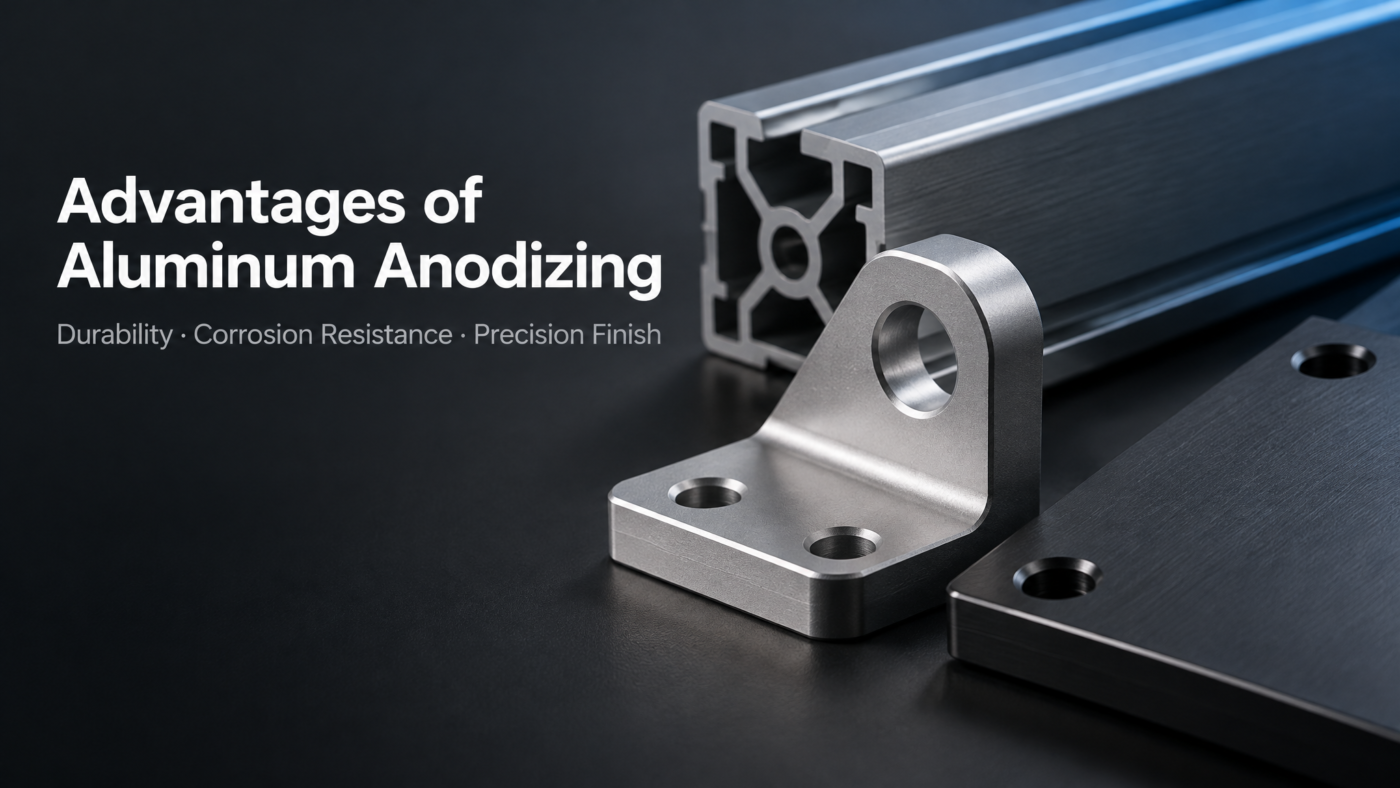
During B2B procurement for aluminum furniture profiles, aluminum furniture hardware, cabinet accessories, retail display rack hardware and architectural decorative aluminum parts, anodizing stands as one of the most popular surface finishing processes for aluminum alloy. When comparing powder coating, spray painting and electroplating, aluminum anodizing draws heavy attention from furniture manufacturers, cabinet wardrobe factories and project purchasers for its comprehensive performance.
Different from painting which adds an external coating layer, anodizing treatment uses electrochemical reaction to grow a dense protective aluminum-oxide film from the aluminum alloy substrate. The film bonds integrally with aluminum base, which marks its core difference from other painting technologies.
First key merit: superior corrosion resistance, perfectly suited for bulk export orders with ocean shipment. Stable oxide film resists humid air and salt spray erosion. Parts can survive high moisture maritime transport without rusting or whitening, greatly cutting risks of rejection and compensation for overseas projects.
Second advantage: excellent scratch & impact resistance. Spray paint or powder coat layers tend to peel off upon hard impact. By contrast, the anodized film originates from aluminum itself and will not flake off easily. Frequently touched hardware such as aluminum cabinet handles, wardrobe tubes and ladder post profiles maintain intact appearance over long term usage.
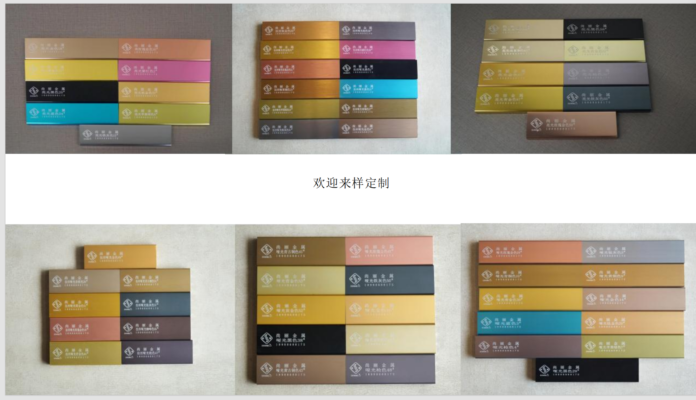
Third benefit: reliable batch to batch color consistency, compatible with custom dimension and sample development. By adjusting dye concentration, electric current and sealing time, diverse metallic finishes including black, antique bronze and champagne gold can be achieved. Mass production runs keep minor color deviation, meeting strict visual requirements of high end whole house customization and commercial projects. Custom anodizing color matching against copper samples is also available.
Fourth strength: premium metallic texture while preserving original metal grain. Anodizing will not fully cover aluminum metallic luster and delivers fine matte metal finish. Widely adopted for recessed hidden handles, aluminum door & glass frames, air vent grilles, matching minimalist modern furniture aesthetics.
Fifth advantage: eco friendly performance and good workability for assembly. Non toxic anodized film meets household hardware standards. Post treatment operations such as drilling and cutting can be done without coating cracking, ideal for OEM customization.
Anodizing also has its application limits. As a B2B custom manufacturer, Shangli Aluminum helps furniture factories and building material wholesalers select proper surface treatment based on application scenarios, budget and reference samples.
Q1: What is the main difference between anodizing and powder coating? A: Anodized film grows from aluminum substrate with better wear resistance & anti corrosion and retains metallic texture. Powder coating is an external overlay coating with richer color options yet vulnerable to chipping under impact.
Q2: Can you provide anodizing color match prototyping? A: Yes. Shangli Aluminum provides sample development service for various tones, including color matching against copper or stainless steel samples. Mass production follows signed off samples. Service is not for residential DIY end users.
 English
 Russian